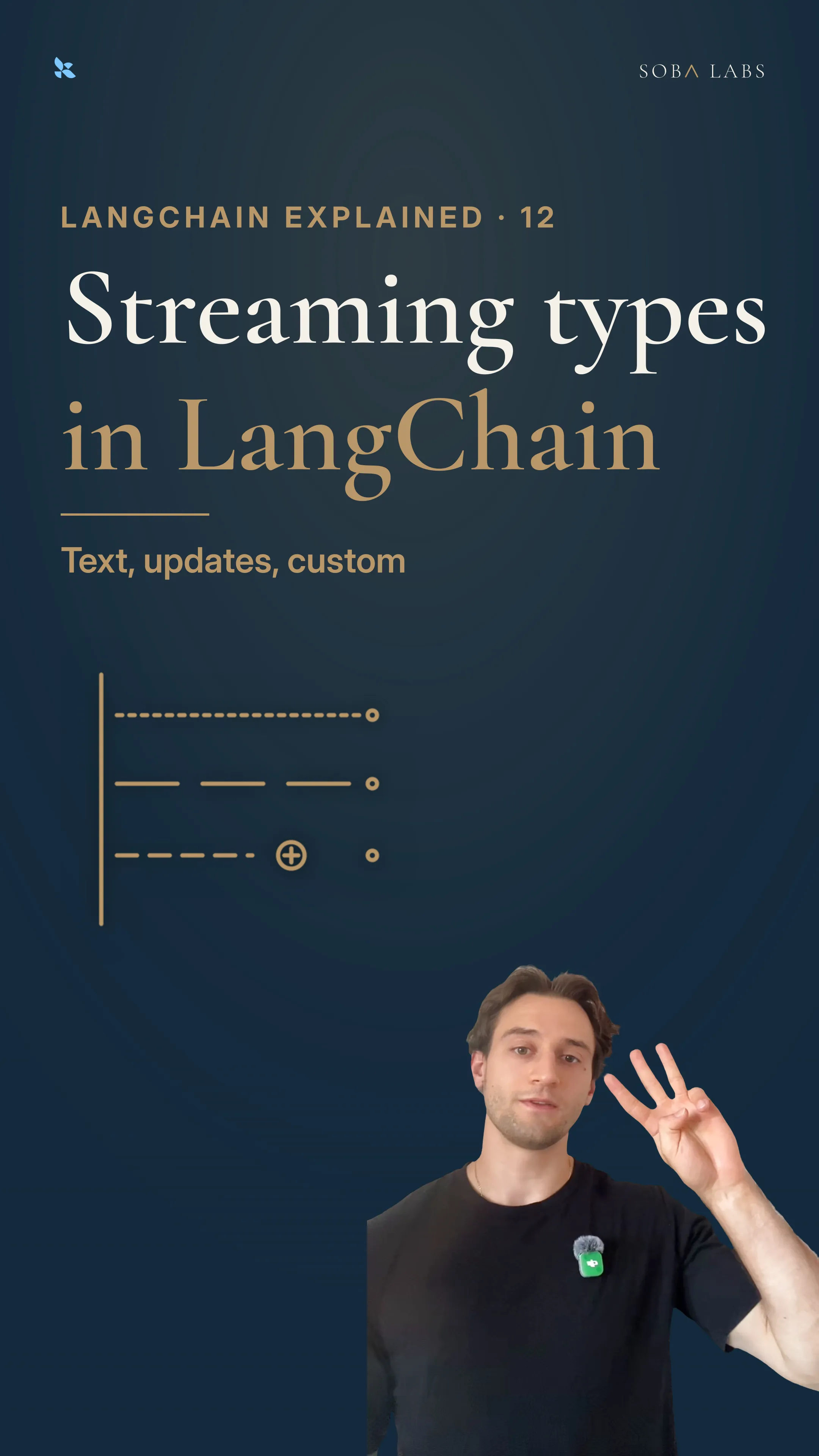
#12
Streaming in LangChain, explained easily
An agent run can take 20 seconds. Streaming fills them, and there are three things you can stream: text, updates and custom.
One concept from the LangChain stack per episode, in plain English, from the production angle rather than the tutorial angle. Hosted by Simon Budziak, LangChain Ambassador for Poland.
Shorts, 30 to 40 seconds, on YouTube and TikTok.
An agent run can take 20 seconds. Streaming fills them, and there are three things you can stream: text, updates and custom.
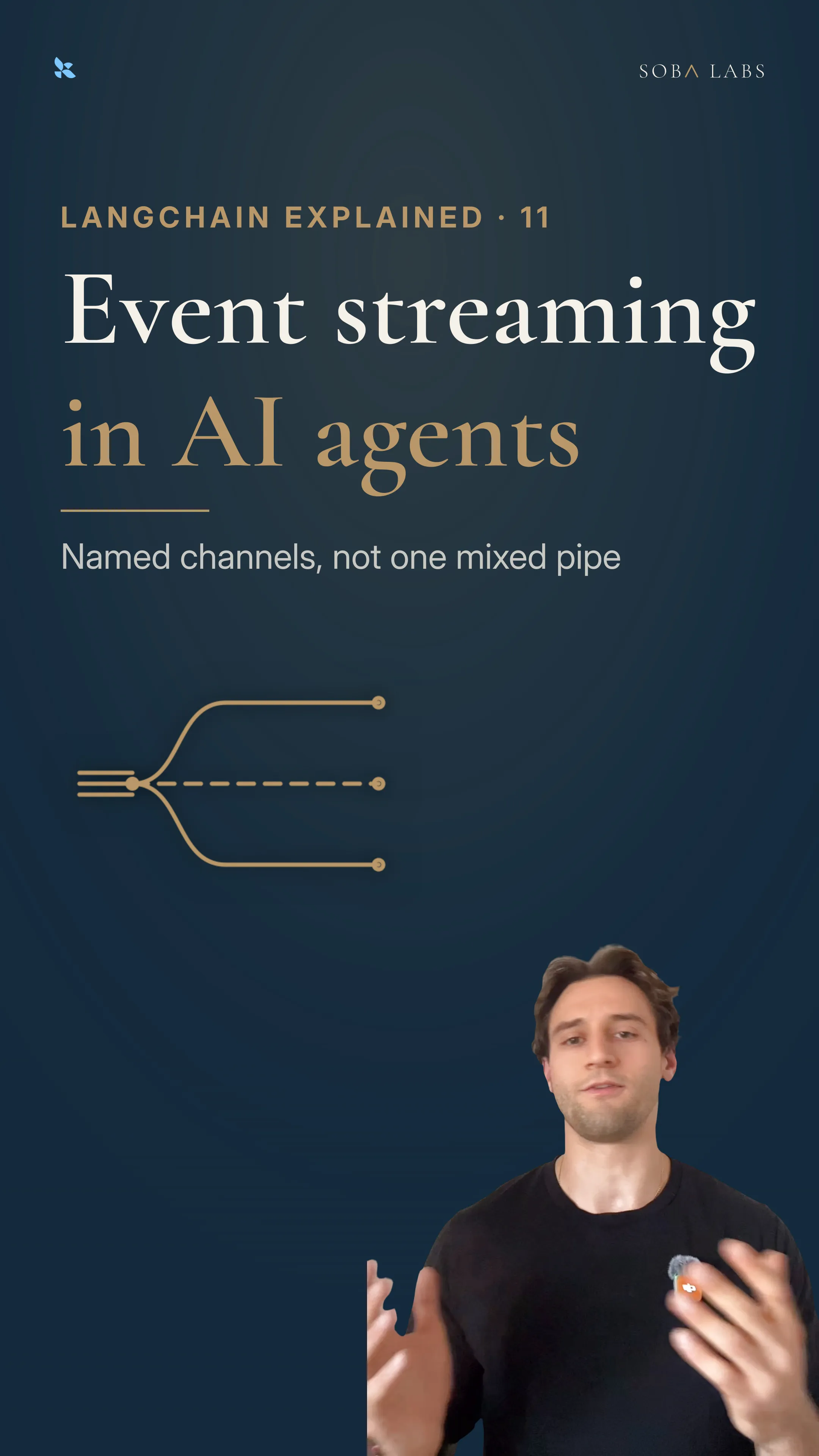
A run emits text, tool calls and state all at once. Event streaming hands them over already separated, one typed channel each.
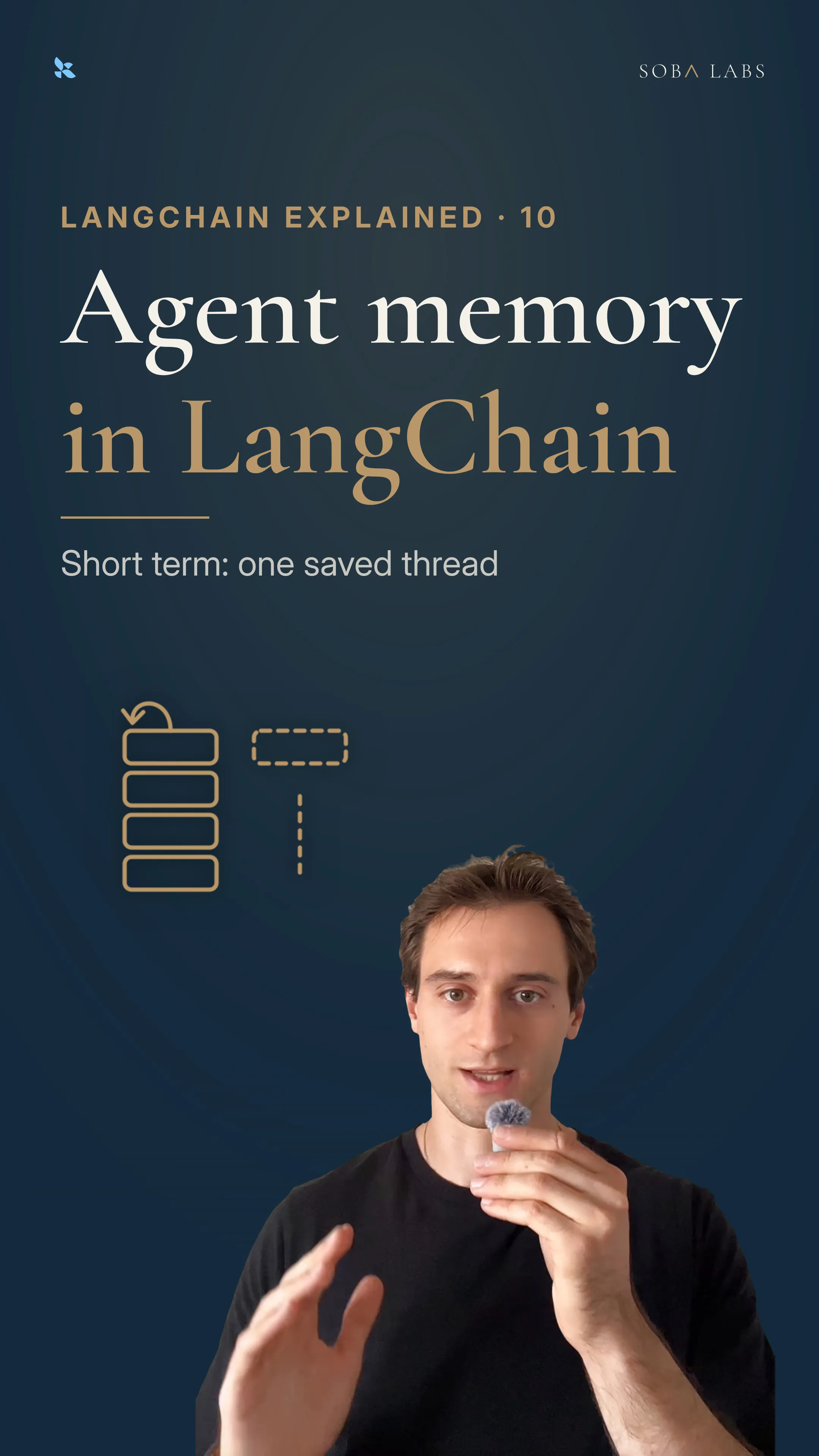
The thread id is the whole trick: reuse it and the conversation carries on, change it and the agent starts blank.
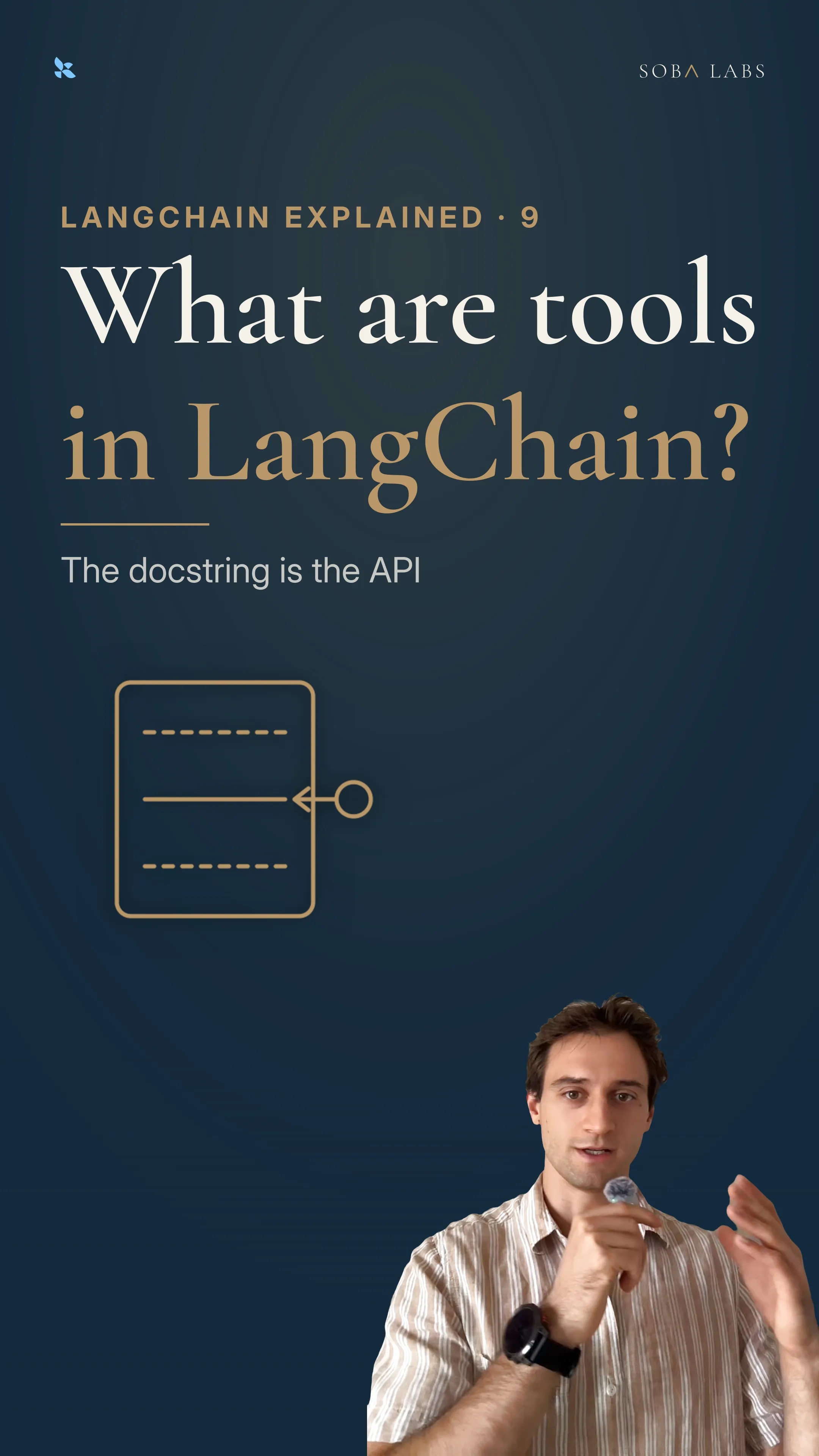
The docstring is not a comment for your teammate, it is the only thing the model reads before deciding to call it.
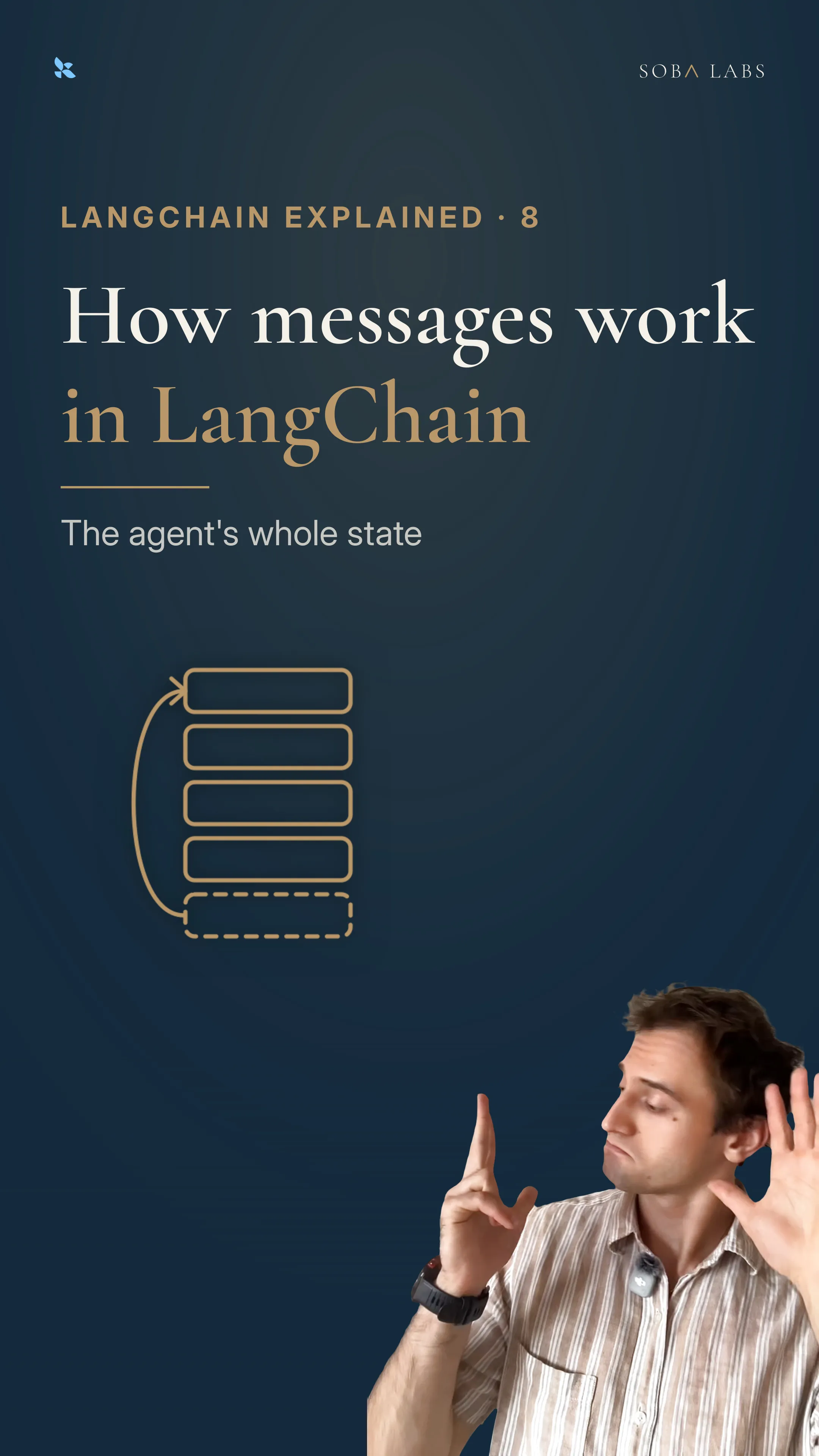
Everything the agent knows is one list, and it rereads the whole thing every turn.
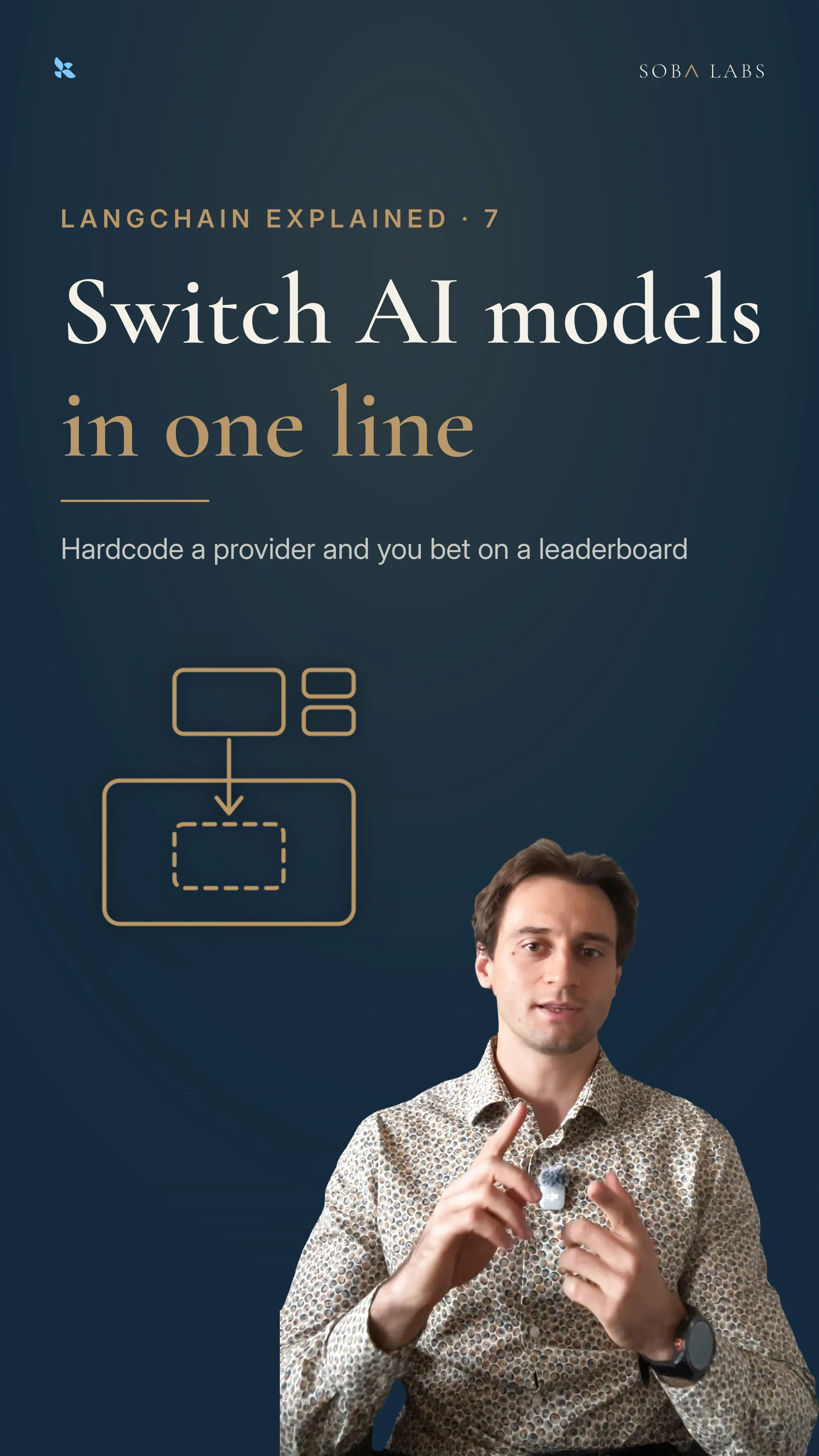
The one piece you did not build and cannot control, so what matters is how cheaply you can swap it.
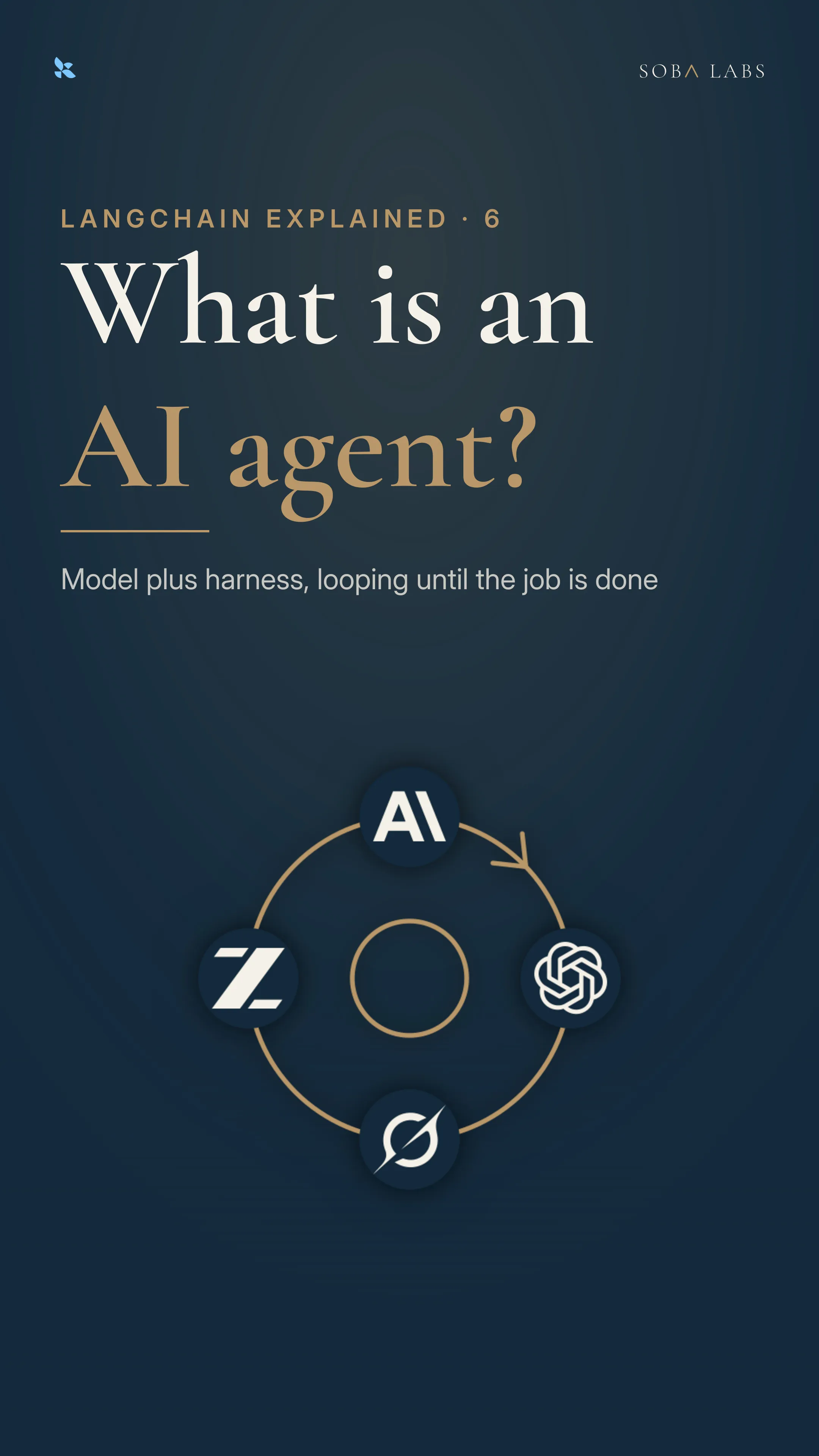
What separates an agent from a chatbot: it takes the next step, and knows when to stop and ask.
How to see inside an agent once it is running, so you can trust what it did rather than hope.
The runtime under the framework: state, checkpoints, and durable execution, in forty seconds.
The model is the engine and LangChain is the rest of the car: the wiring that turns a model into something that ships.
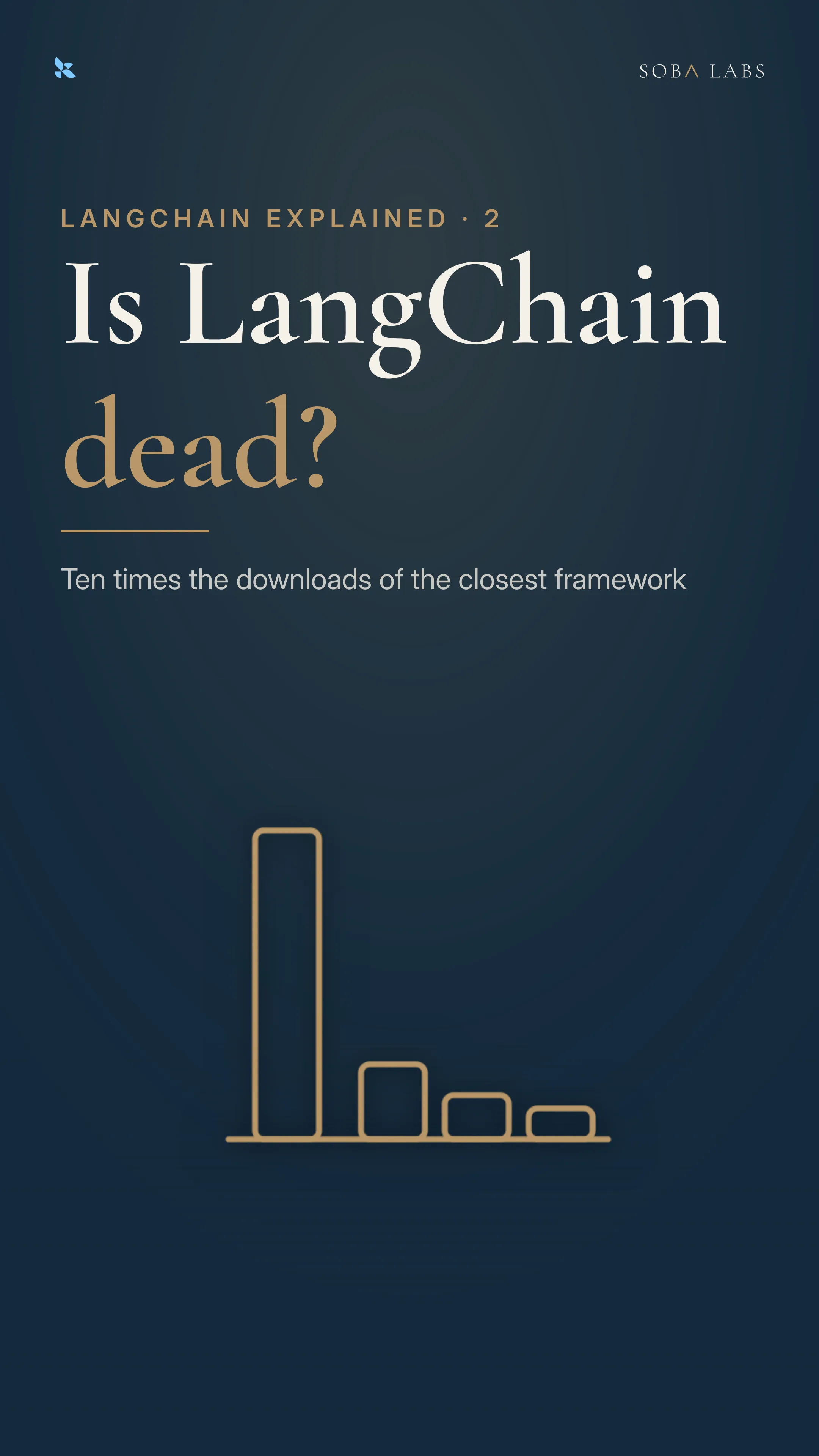
It still does 76 million downloads a week, so the interesting question is what changed rather than whether it died.
LangChain renamed half its products in 2026, so here is what each piece is now called and what it actually does.
No matches
All series